
Guide · Guide
Active Matter Guide: Beginner Tips & First Hours
Active Matter guide for beginners: how a raid works, what to do in your first hours, gear and stash habits, Credits and Prime, and the mistakes to skip.
Active Matter is a hardcore online PvPvE extraction shooter from developer Matter Team and publisher Gaijin Network Ltd, and a raid follows one loop: kit out at your base, deploy into a quantum-unstable zone, harvest active matter and loot, complete objectives, and extract before the zone collapses. The game is fully released as of September 21, 2026 on PC (Steam and Gaijin Store), PlayStation 5 and Xbox Series X|S, running on current build 0.4.0.122, and it left its paid Early Version stage behind on September 15, 2026 without wiping progress. If you are starting now, the shortest path is to finish the tutorial, learn the mission and Monolith screens before you deploy, and treat your first raids as cheap practice.
What kind of game Active Matter is
Active Matter is a hardcore online shooter set in a fractured multiverse, built on Gaijin's in-house Dagor Engine and aimed at players who want tactics and realism rather than arcade firefights. Its monsters, entities and anomalous objects are openly inspired by the SCP Foundation universe, so the threats behave more like anomalies than like ordinary enemies. The weapons go the other way and stay deliberately grounded, because the arsenal is rooted in real-world military technology and tactics rather than in science fiction. Platforms are PC through Steam and the Gaijin Store, PlayStation 5 and Xbox Series X|S, with native Linux support and Steam Deck compatibility on the PC side.
How a raid works from deploy to extract
A raid starts at your base, where you choose a loadout and decide how much you are willing to risk, then deploy into a zone to harvest active matter and loot. Contracts and objectives give the run a purpose, and nothing you find actually matters until you reach an extraction point before the zone ceases to exist with everything inside it. Death is the core risk of the genre: anything not stored in a safe container, or flagged as personal, is lost with your character. You can run raids solo or with a squad of up to three players, and zones are split between PvPvE open raids and PvE-only isolated raids.
What to do in your first few hours
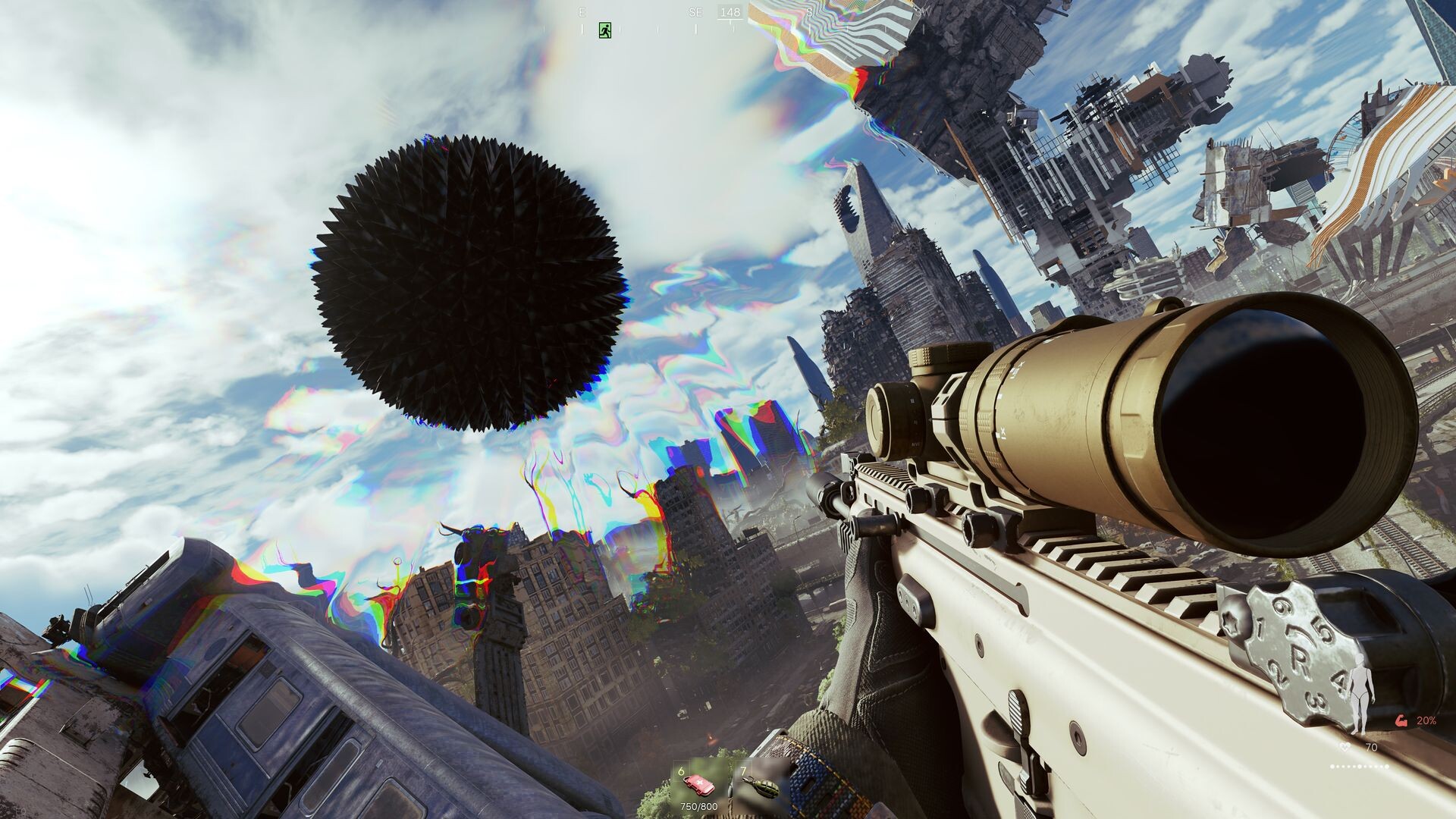
Spend your first sessions on systems rather than on gear. Finish the tutorial, then read the mission terminal and the Monolith Access Terminal carefully: that unlock track runs from access level Alpha upward and gates what you can buy, craft and carry into a map. One launch-build walkthrough makes learning the mission system before your first deploy its number one beginner tip, and the same creator says it plays PvE while getting used to the game again and recommends that approach to anybody. (single source) Until you know a map, the least risky way to build a stash is to take the free provided equipment and leave your best kit at home.
Official screenshot, © Matter Team / Gaijin Network Ltd.
Gear, stash and losing equipment
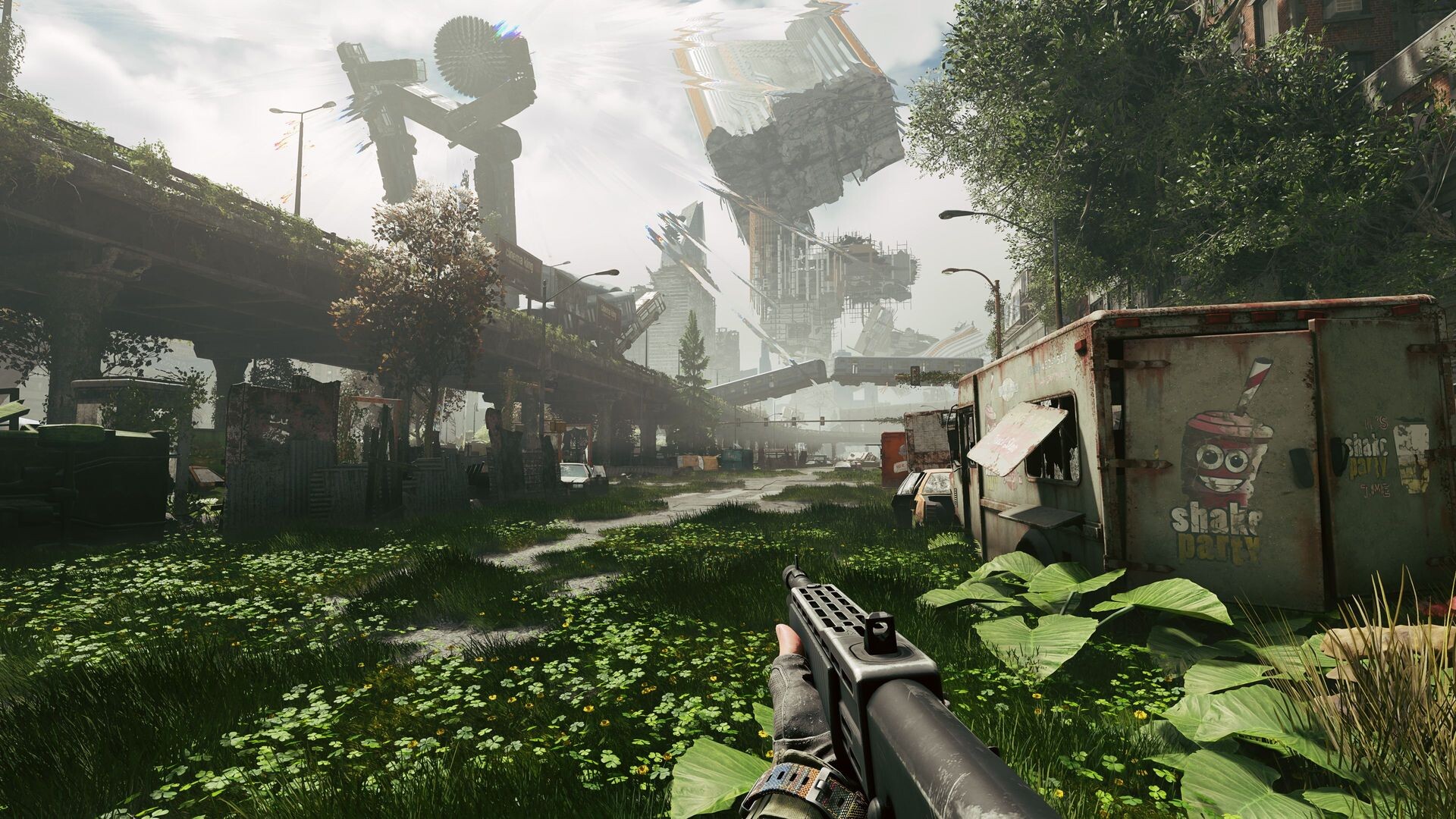
The stash is where a beginner's progress actually lives, so it is worth learning two habits early. Gear sets let you save a full loadout and re-equip it after a death instead of rebuilding it item by item, a feature a launch-week creator walkthrough calls out as a big time saver for new players. (single source) The same walkthrough recommends searching backpacks through the action menu instead of dragging the whole container into your inventory. (single source) The safe container is the exception to the death rule, because what is inside it survives; one creator also reports that guns can be forced into a safe container even when their stated volume exceeds it, a quirk we are flagging as unverified. (single source, to confirm)
Official screenshot, © Matter Team / Gaijin Network Ltd.
Credits, Prime and where early money comes from
Credits are the main currency, earned inside raids by completing contracts, processing active matter and selling looted items, and spent on weapons, ammunition and equipment. Prime is the second currency and comes from daily contracts: it does not reset after a Harmonization, and it can be exchanged for Credits, Monolith access levels, and special items such as additional secure containers and respawn beacons. Because Prime is the currency that survives a seasonal reset, it is the one beginners should bank rather than burn. Back at the hub, the refiner breaks unwanted loot into Credits, active matter and crafting components, while the workshop and replicator turn blueprints into new gear, including the key sets that open locked areas. (single source)
Beginner mistakes worth avoiding
| Mistake | Why it costs you | Basis |
|---|---|---|
| Taking your best kit into an early raid | Death removes everything that is not in a safe container or personal | Steam store page |
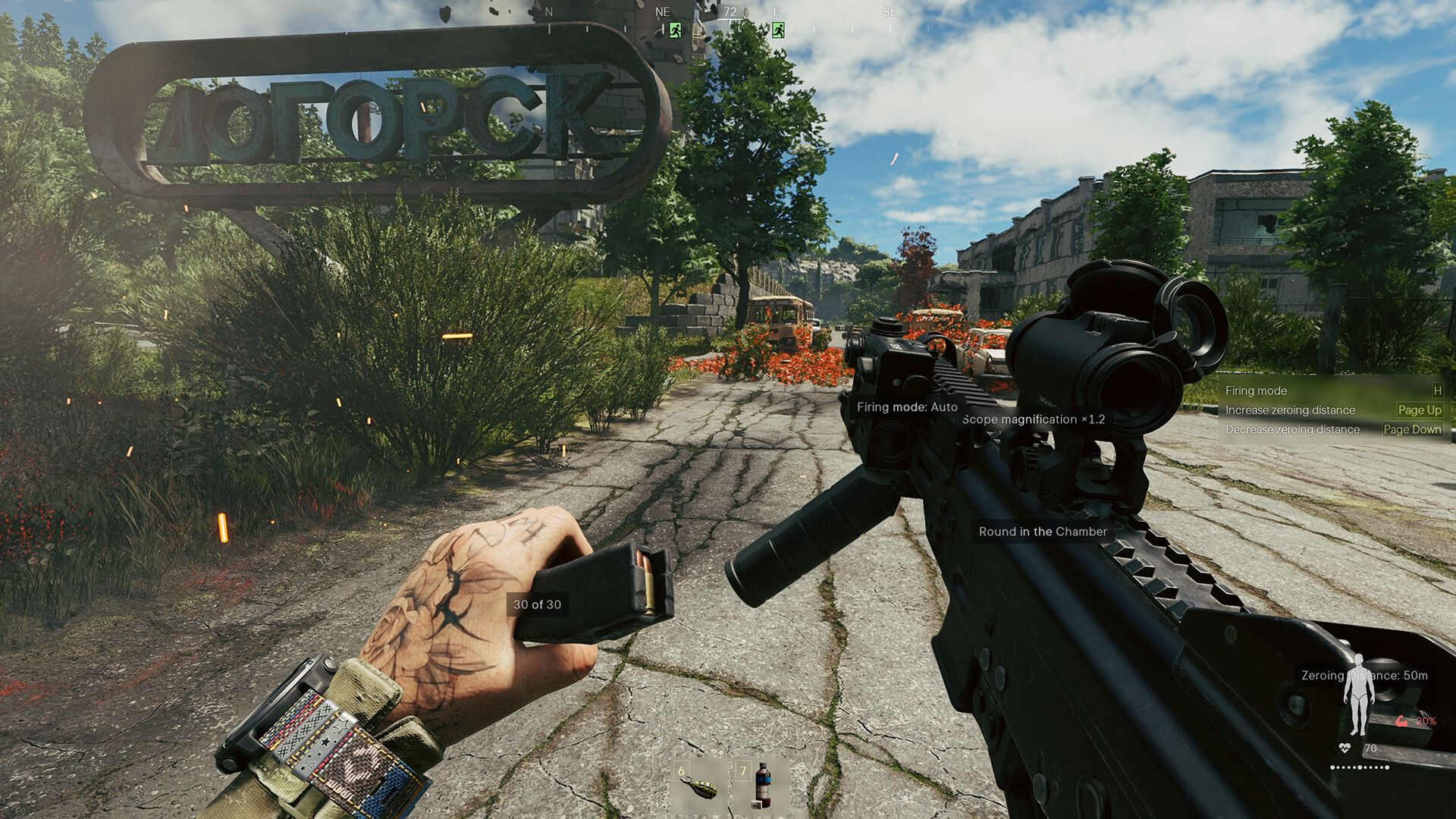
| Sprinting and shooting on sight | Noise wakes nearby enemies, and one guide warns that a single gunfight can pull half the map onto you | Creator walkthrough (single source) |
| Ignoring the Monolith and mission screens | Contracts and access levels gate what you can unlock, buy and craft | Creator walkthrough (single source) |
| Moving on with a half-empty magazine | Firefights attract more enemies, so reloading after every fight is cheap insurance | Creator walkthrough (single source) |
| Skipping the free provided equipment | It is a no-cost way to learn a map or go after an anomaly | Creator walkthrough (single source) |
Official screenshot, © Matter Team / Gaijin Network Ltd.
Where to go next
Once the basics are clear, pick the page that matches your next question. If you want raids without other players, start with our Active Matter PvE guide, which covers isolated raids, solo play and zone restrictions. If you are buying the game, the price and editions breakdown explains what $29.99 includes and what Advanced and Deluxe add. For everything else, use the release date timeline, the patch notes and the wipe and Harmonization Cycle explainer.
FAQ
- Who is making Active Matter?
- Matter Team develops the game and Gaijin Network Ltd publishes it, while the console listing is signed by Gaijin Distribution Kft. Both names appear on the official store listings, and the game runs on Gaijin's in-house Dagor Engine.
- What is active matter in the game?
- It is the resource the whole loop is built around: a substance that forms as timelines collapse and is described on the Xbox store listing as the most valuable and the most dangerous resource in all the multiverse. You harvest it inside a zone and only keep it if you extract.
- What should a beginner do first in Active Matter?
- Finish the tutorial, then study the mission and Monolith screens before you deploy. Creator walkthroughs recommend learning the mission system before your first raid and playing PvE while you get used to the game again, because contracts and Monolith access levels decide what you can unlock, buy and craft. (single source)
- Do you lose your gear when you die in Active Matter?
- Yes. The Steam store page states that if your character dies during a raid you lose all weapons and equipment that were not placed in a safe container or are not personal, so it is worth risking cheap kits while you learn.
- How many players can play together in Active Matter?
- You can play solo or in a squad of up to three players. Gaijin confirmed the solo or three-player squad size in the September 9, 2025 Early Version announcement, and the official FAQ repeats it.
References
- Active Matter, Pro Tips and Tricks - Overgear Guides
- All Pages - Active Matter Wiki | Fandom
- Active Matter SECRETS You NEED To Know
- Active Matter | Top Beginner Tips You NEED to Know Before Playing!
Facts on this page are compiled from the references above. Items marked "to confirm" are single-source and not yet verified.